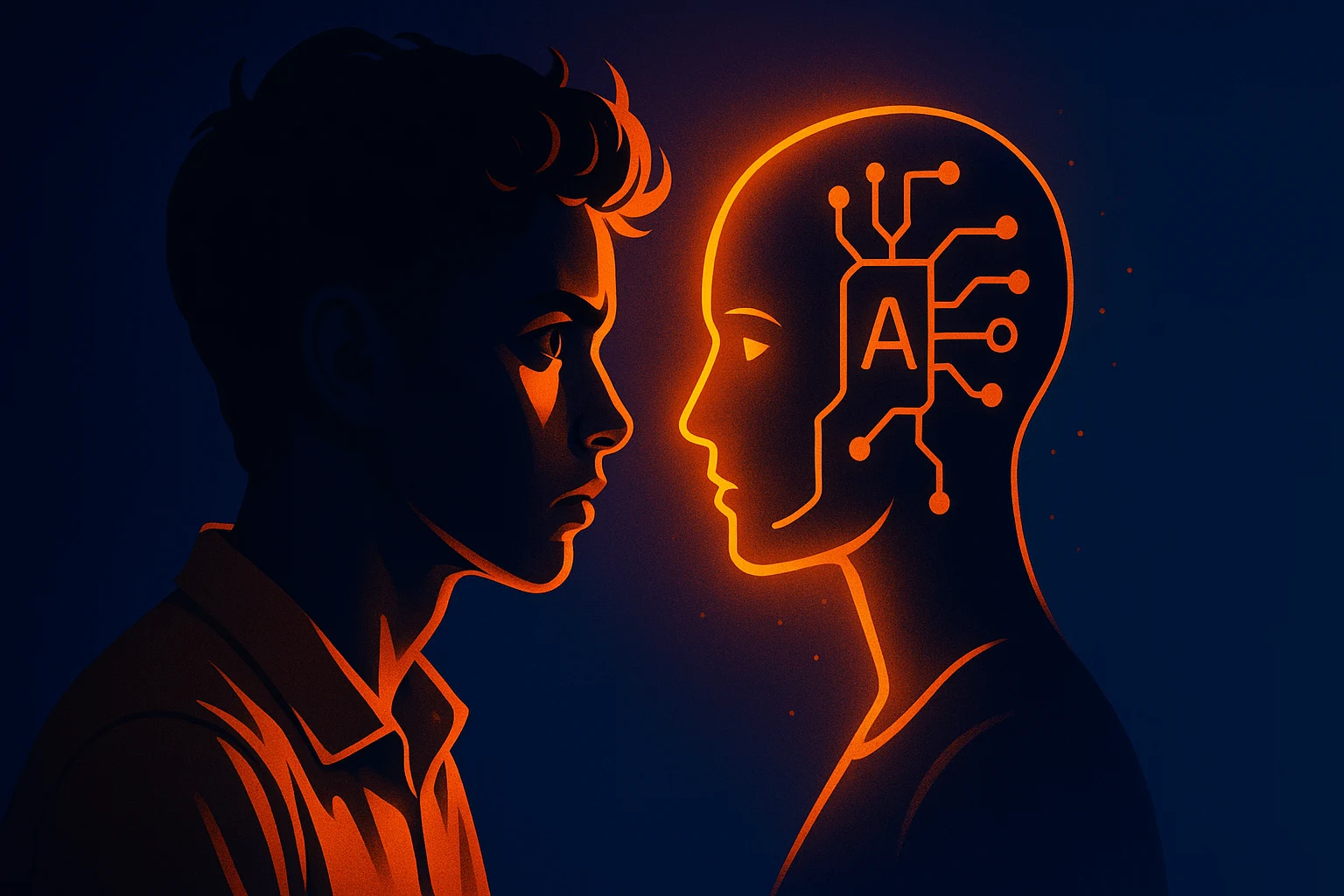
As we approach 2026, the imperative to learn to code has evolved. With artificial intelligence now capable of writing code itself, the landscape has shifted dramatically. The question, 'What now?' is answered with a focus on adaptability: embrace AI as a tool and partner in the coding process, and focus on developing skills that AI cannot easily replicate, such as creativity and problem-solving.
What Does AI Writing Code Mean for Coders?
The evolution of AI has introduced a new paradigm in software development. In 2026, AI systems are not just supporting developers but actively participating in the coding process. This shift challenges traditional roles but also offers opportunities for coders willing to adapt.
AI as a Coding Partner
AI tools like GitHub Copilot and OpenAI's Codex demonstrate AI's potential to generate code snippets, suggest optimizations, and even debug existing code. By treating AI as a partner rather than a competitor, developers can streamline their workflows and focus on larger, more complex problems. For instance, a developer working on a complex machine learning algorithm might use AI to generate initial code structures and then refine these with their domain expertise. This symbiotic relationship enhances productivity and leads to more innovative solutions.
Opportunities in AI-Driven Development
As AI assumes routine coding tasks, developers have more bandwidth to innovate. This transition allows for a focus on designing complex systems, enhancing user experience, and solving unique problems that require human intuition and creativity. In 2026, companies increasingly value developers who can orchestrate AI tools to create user-centric applications that are not only functional but also intuitive and engaging.
How to Prepare for Coding in 2026
While AI's capabilities grow, the need for skilled human coders remains, albeit with a shift in required skills. Preparing for coding in 2026 involves embracing continuous learning, honing soft skills, and focusing on areas where human creativity shines.
Continuous Learning and Adaptability
Technological evolution demands an adaptable mindset. Coders should engage in lifelong learning, staying abreast of the latest tools, languages, and AI advancements. Platforms offering dynamic, self-paced courses will be invaluable resources. For example, online platforms like Coursera and edX offer specialized courses in AI and machine learning that are updated regularly to reflect the latest industry trends.
Developing Soft Skills
In a world where AI handles routine tasks, soft skills like creativity, critical thinking, and emotional intelligence become key differentiators. These skills enable developers to work effectively in teams and drive innovation. Companies in 2026 are increasingly seeking candidates who can demonstrate leadership, empathy, and the ability to navigate complex interpersonal dynamics, making these skills essential for career advancement.
What Skills Will Be in Demand?
As AI reshapes the coding landscape, certain skills will remain in high demand. Understanding these skills can help coders position themselves for success in the evolving tech industry.
Focus on Problem Solving
AI excels at processing data and performing routine tasks, but humans remain superior in problem-solving, especially in unstructured environments. Coders should focus on strengthening their ability to tackle complex challenges. In 2026, problem-solving extends beyond technical issues to include strategic thinking and decision-making, requiring a holistic understanding of both technology and business contexts.
Enhancing Human-AI Collaboration
Proficiency in AI-related technologies, such as machine learning and data analysis, will be critical. Developers who can effectively collaborate with AI will be able to leverage its capabilities to enhance their productivity and innovation. For instance, understanding how to use AI to analyze large datasets for insights can significantly impact fields like healthcare and finance, where data-driven decisions are crucial.
Will AI Take Over Coding Jobs?
The fear of AI eliminating coding jobs is prevalent, but the reality is more nuanced. While AI will automate certain tasks, it will also create new roles that require human oversight and creativity.
AI Creates New Opportunities
AI's integration into coding opens up new career paths, such as AI trainers, explainers, and ethicists. These roles involve guiding AI development and ensuring ethical standards are upheld. In 2026, organizations are increasingly aware of the ethical implications of AI and are hiring professionals who can bridge the gap between tech development and ethical considerations.
Emphasizing Human Oversight
AI systems require human oversight to ensure they function correctly and ethically. Coders will need to develop skills in supervising AI processes and making informed decisions based on AI outputs. This includes understanding the biases that can be embedded in AI systems and implementing strategies to mitigate these issues.
Future Trends in AI and Coding
Looking ahead, several trends are shaping the intersection of AI and coding, providing a roadmap for developers interested in staying at the forefront of the industry.
Increasing Personalization
AI is enabling more personalized software solutions. Developers are tasked with creating applications that adapt to individual user preferences and behaviors, providing customized experiences that enhance user satisfaction.
- Adaptive Learning Systems: Educational platforms are using AI to tailor content to student needs, improving learning outcomes.
- Healthcare Solutions: AI-driven applications provide personalized health recommendations based on user data.
- Retail Experiences: E-commerce platforms leverage AI to offer personalized shopping experiences, increasing customer engagement and sales.
Ethical AI Development
As AI's role in coding expands, ethical considerations become more pronounced. Developers must be equipped to address issues such as algorithmic bias and data privacy. By 2026, ethical AI development is not just a compliance requirement but a differentiator in competitive markets.
- Bias Mitigation: Implementing tools and processes to identify and eliminate biases in AI systems.
- Transparency: Ensuring AI models are explainable and decisions are transparent to users.
- Data Protection: Developing systems that prioritize user privacy and secure data handling.
How to Transition to an AI-Enhanced Coding Career
Transitioning to a career that embraces AI requires strategic planning and education. Here are some steps to guide you:
- Identify Your Strengths: Determine where your skills can complement AI and focus on enhancing those areas.
- Invest in Education: Pursue courses in AI, machine learning, and data analysis to build a strong foundation in AI technologies.
- Network with Professionals: Connect with industry professionals who are integrating AI into their work to gain insights and mentorship.
- Experiment and Innovate: Use AI tools in personal projects to experiment with new ideas and learn from practical experience.
Why Learning to Code Still Matters
Despite AI's growing capabilities, learning to code remains a valuable skill. Coding teaches logical thinking, problem-solving, and resilience—skills that are applicable across various professions.
Building a Strong Foundation
Understanding coding fundamentals provides a foundation for understanding more complex technologies, including AI. This knowledge is crucial for anyone looking to work in tech. Even as AI advances, the ability to understand and manipulate code remains essential for customizing and optimizing AI solutions.
Empowering Innovation
Coders have the tools to turn ideas into reality, driving innovation and creating solutions that benefit society. The ability to code empowers individuals to shape the future by developing new technologies that can solve pressing global challenges, from climate change to healthcare accessibility.
As AI continues to evolve, learning to code by 2026 will position you to thrive in a tech-driven world. Embrace this opportunity to enhance your skills and navigate the new AI landscape with confidence.